.png)
Greene Economics partners with SCAG to evaluate natural and agricultural lands benefits in Southern California

Study will assess ecosystem services, economic impacts, and resilience benefits, while exploring funding strategies and supporting equitable access across six counties
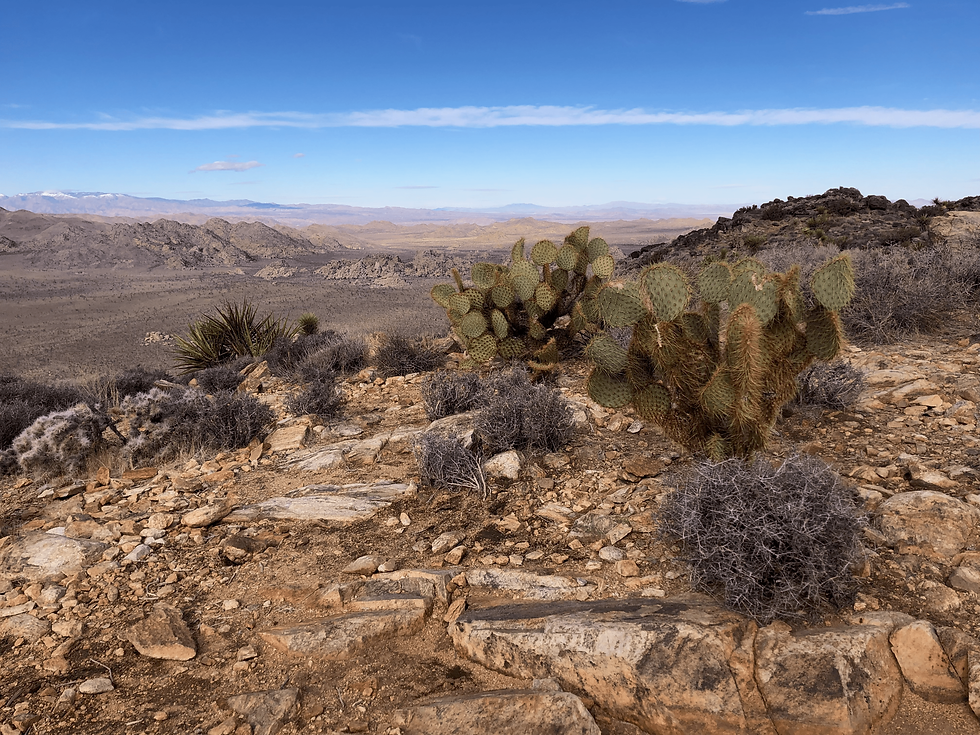
The Southern California Association of Governments (SCAG) has engaged Greene Economics to lead the Natural & Agricultural Lands Economic and Resilience Benefits Study. The project is funded by a Sustainable Agricultural Lands Conservation Program planning grant from the California Strategic Growth Council and the California Department of Conservation. The study will evaluate the economic, resilience, and ecosystem service benefits of natural and agricultural lands across Southern California, including forests, rangelands, farmland, wetlands, and conserved open space across SCAG’s six-county region. It will also identify funding strategies to preserve, enhance, and restore these lands, while ensuring equitable access to the services they provide.
Natural and agricultural lands are vital to regional resilience. They clean and store water, reduce risks from wildfires, flooding, and extreme heat, and improve air quality. They also store carbon in soils, trees, and plants. The study will help address knowledge gaps on how these services support climate resilience and a strong regional economy.
“Natural ecosystems provide myriad economic and resilience benefits,” said Rabia Ahmed, principal economist and managing partner at Greene Economics. “This study will help SCAG plan, invest, and shape policies that protect communities, preserve natural resources, and support an equitable, resilient future consistent with Connect SoCal 2024’s vision.”
Meeting regional planning needs
The study will generate GIS-based inventories of natural and agricultural lands and quantify ecosystem services such as carbon storage, flood mitigation, habitat protection, and water filtration. Scenario-based planning tools will allow SCAG and local governments to evaluate priorities, explore funding approaches, and consider equity and accessibility in resilience planning. Greene Economics leads a multi-disciplinary team including Estolano Advisors, LandIQ, and Highland Economics, each bringing expertise in land management, regional planning, and ecosystem service valuation.
This work will also support SCAG’s Regional Advance Mitigation Programs (RAMP) and other resilience initiatives by providing guidance to preserve, enhance, and restore critical lands.
Greene Economics has a long history of supporting climate resilience and ecosystem service projects across North America. The team led a U.S. Forest Service ethnographic study of three Southern California forests and the San Jacinto and Santa Rosa Mountains National Monuments, which guided land management to protect culturally significant areas. In 2024, the firm led a Southwest Florida water quality study, which quantified the economic impacts of harmful algal blooms to help protect jobs, property values, and quality of life. Greene Economics also led the evaluation of ecosystem service markets and developed an asset plan for Washington’s Department of Natural Resources; a project that identified priority markets to protect state lands while generating revenue for public programs.
About Greene Economics
Greene Economics is a women-owned environmental economics firm based in the Pacific Northwest with decades of experience integrating ecosystem services into public policy and planning. The firm specializes in ecosystem service valuation, natural resource management, and data-driven planning tools that help public agencies and communities make informed decisions for sustainable, resilient outcomes. Greene Economics is DBE-certified in California and frequently partners with firms such as Estolano Advisors, LandIQ, and Highland Economics to deliver complex regional planning and natural resource projects.


